Readiness assessments are underrated!
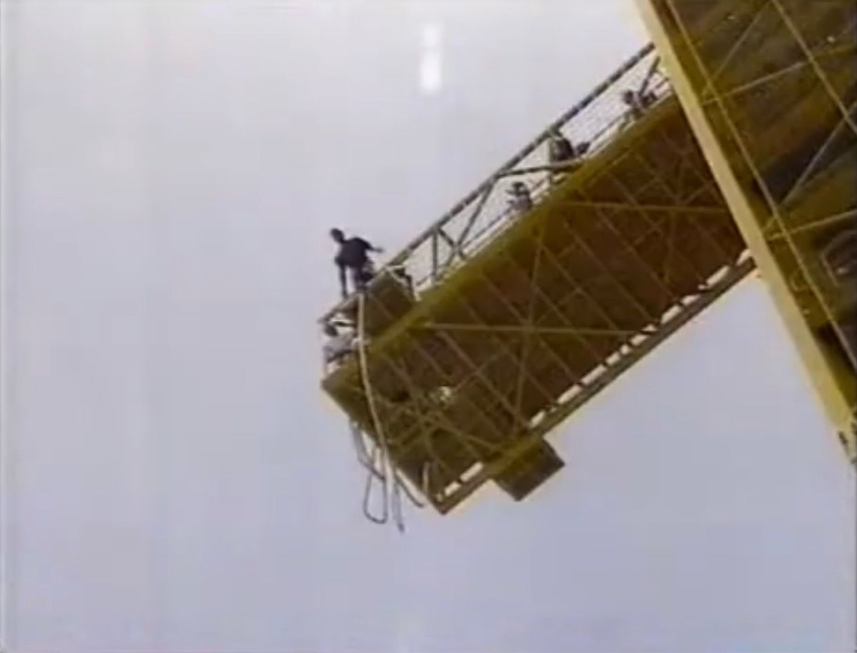
I used to be a bungee jumpmaster.
People assume that meant my job was to convince people to jump. Get them hyped. Count down from five.
But it wasn't.
The job was assessment. Before anyone got to the edge, I was reading them: Weight, obviously. But also: body language. Eye contact. Bravado.
Because these something critical: whether they would fall, or leap.
Either way they're in the system once they go: swinging, laughing. But the difference is about eighteen inches of clearance between their fingertips and the pool below.
If someone's truly ready, they would leap. Dive off the platform, full extension. They’d done the work already, somewhere inside themselves. Big, wide swing.
If someone wasn’t ready? They’d fall. Tentative. Tipping forward. Still in their head. The swing still happens, but is different.
My job wasn’t to make them ready, but to sense their readiness and hold the space for whatever happened next.
I’ve been thinking about this because I am seeing the same dynamic with business owners. Something needs to change. They’re drowning. They want a roadmap, a way to scale without collapsing. They’ve got the equipment. They’re strapped in, at the gate.
Some are quiet, some talk too much. Some question my qualifications, my methodology, my experience. I take the time to answer because 49 times out of 50, those questions are productive. They’re getting logic to catch up to readiness. They just need to know the system will hold.
But sometimes the questions aren’t stalling. They’re a signal: I’m here because someone dragged me here. But I don’t actually want to transform.
That’s not readiness. That’s hope that someone else will do the scary thing.
Here’s what I learned as a jumpmaster that is relevant: It’s not my job to convince them.
A leap comes from readiness that’s already happened somewhere inside. The guide just holds the space and says “okay, you’re good to go.”
A fall is compliance. Going through the motions. Doing it because everyone else is, and hoping the system works. Both get you to the other side. But the experience is completely different.
So when someone asks for an automation roadmap, I’m not just assessing their systems.
I’m assessing their readiness.
And if they’re not ready? My job isn't to push.
The infrastructure for bungee jumping already existed. The threshold between “thinking about it” and “at the edge.”
With organizational transformation? The threshold is there, but the systems are emerging. What would it look like to build it? That's the space for assessment.
With permission to say “not yet”, without it meaning failure. The threshold that creates clarity about commitment.
Systems that hold people consistently, not just when the right guide happens to show up with the right intuition.
I don’t have this figured out yet. But I keep thinking about those platforms. How they made space for both falling and leaping. Not a push, but space to decide.
That’s the space I’m building.
5-4-3-2-1!